
We ❤ Reading @ Broughton Hall
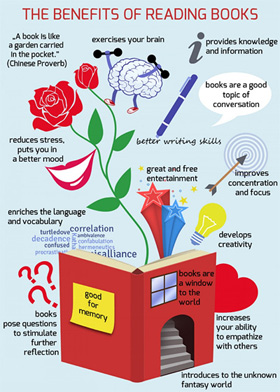 At Broughton Hall we are passionate about promoting the value of reading. Reading is a gift, it broadens our vocabulary, exercises our imaginations and helps us discover more about ourselves and others.
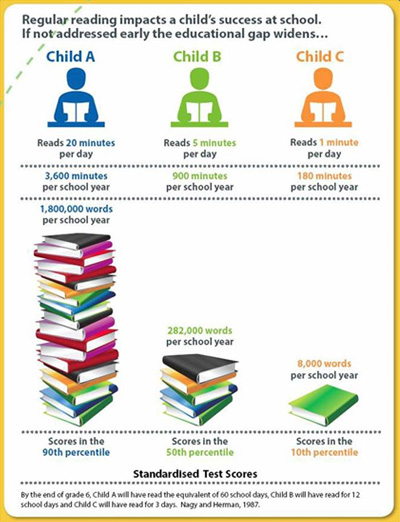
Research shows... that students who read, are consistently found to be higher performers in school - especially those who read from a young age.
"Students who read independently have greater reading comprehension, verbal fluency and general knowledge than those who do not. They become better readers, score higher on achievement tests in all subject areas, and have greater content knowledge than their non-reading peers." Australian Christian College
"Reading has been shown to increase our understanding of human behaviour and help us to empathize with others" Sam Houston State University.
Book Buzz
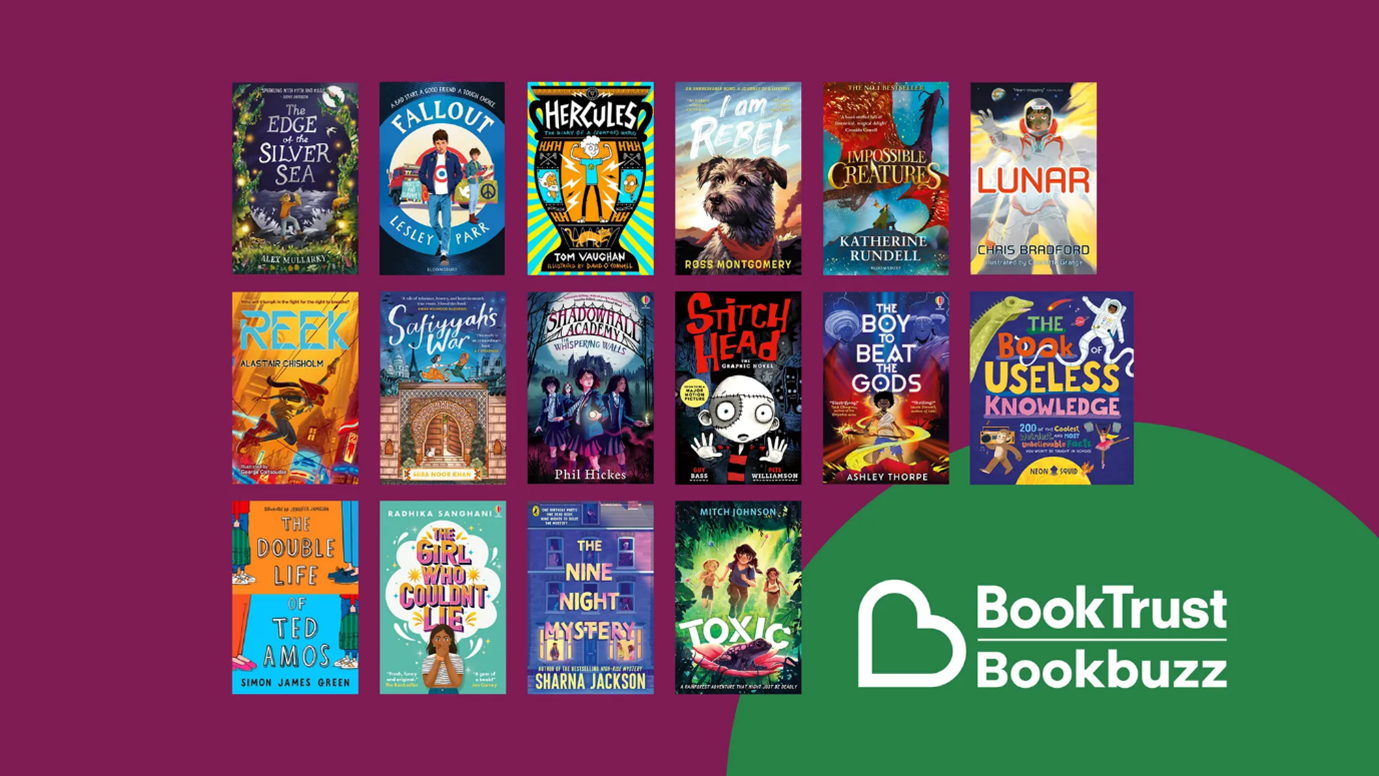
Exciting news!!!!!!
This year we have signed up to Book Buzz.
Each student in Year 7 has chosen their book to take home and keep.
These are to encourage you to read for pleasure and are not part of your homework. We want you to enjoy them and read as many of them as possible!
Click here to learn more about this year's books.
Book Buzz Swap Shop
If you want to participate in the swap shop, please look after your book- we won't be able to swap any that are damaged or contain graffiti.
Mrs Harkin will run the swap shop from E3. When you have finished your book, visit E3 at break or lunchtime, complete a short book review, and you will be able to swap it for another to enjoy.
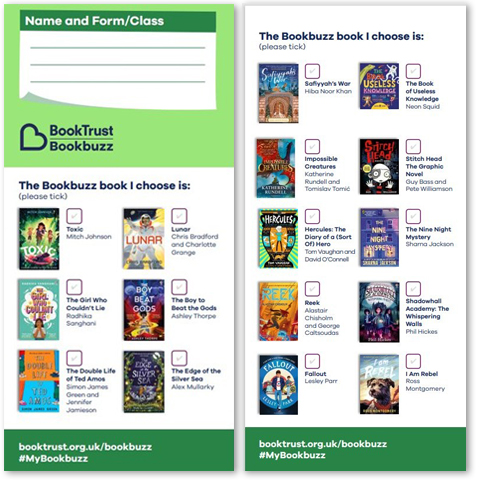
Your bookmark should be inside your book-use this to keep a track of the books you have read. There will be prizes available each time you finish a book.
Click on the links below to find out more about how we promote reading in school and what you can do to support your daughter at home.
Pupil feedback
Year 7 have loved reading 'Trash':
"This book is about a group of boys who are really poor. They live on a dumpsite and they have to search through rubbish. They find money in the trash along with a handbag and a key and a map. They use the clues to go to the train station where they find a locker which opens with the key. This is only the beginning of the adventure. I recommend this book because it has made me learn about other people and what they go through."
"They go through many dangerous adventures to find the treasure and in the end they give it to who needs it. It is a very good book and made me realise what life really is like."
"I would recommend the book because you need to know what conditions people live in and how you can help them. You need help the people in need and the poor."
"I would recommend this book because if you like adventure this is the book for you. There is a lot of adventure and mysterious stuff in this. I recommend between the ages 7-15yrs for this book. I give this book 5 stars but if I could, I would give it more."
"Trash is about three friends Raphael, Gardo and Rat. Who are living on heaps of trash and one day they find something extraordinary. A deadly secret. The boys are chased from the streets dirty gutters to wealthy avenues. They can't run forever. They need a miracle..."
Sparx Reader
 Sparx Reader was launched on Friday 7th November as a new and exciting approach to English homework for Key Stage 3 students. The programme promotes a culture of careful, independent reading and literacy amongst students in a way that builds their confidence in and enjoyment of reading. Students receive personalised book recommendations at the right level for them, with embedded comprehension questions and vocabulary support to ensure every learner can access the text. Sparx Reader is designed to be effective for all students, including reluctant readers and those with SEND. Leaderboards will be published on the English hub and in the school newsletter and rewards given to the class / students who have excelled.
The programme can be accessed on any electronic device - there will also be the option for students to attend Sparx Reader Club (Tuesdays - 3:00pm-3:30pm in B1) to complete their reading on a school device.
Sparx Reader - Reader Student intro on YouTube
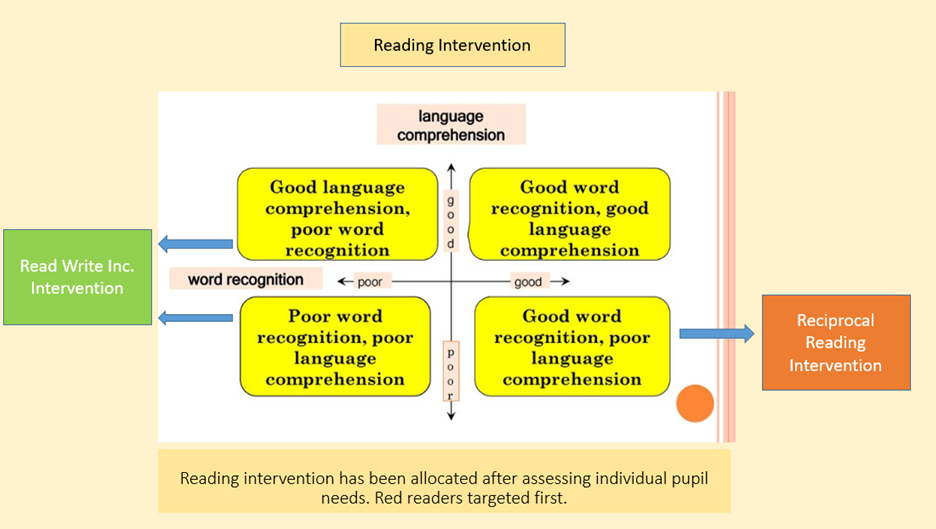
Our Reading Intervention Programmes
At Broughton Hall we want the best for every pupil; that is why our intervention programme is designed to support the needs of each individual.

Read Write Inc.
Phonics
Phonics is not the only way to teach reading, but it is recognised as the best way to teach reading for most children. At Broughton Hall we are following the Read, Write Inc. (RWI) Fresh Start scheme to teach phonics to students who have a reading age below 8 years old and have been identified as needing phonics support. RWI is taught three times per week in small groups or individually dependent upon individual starting modules.Read, Write, Inc. - How does it work?
Children are assessed and grouped according to their reading level. Each student is allocated a starting module. There are 33 modules in total. They work in small groups with a teacher or a teaching assistant who has been fully trained in the RWI programme. They learn the sounds that they need to know and practise blending and segmenting skills for reading and writing.At the end of each half term pupils are reassessed to check progress. They will then be re-grouped if necessary to ensure that they are being sufficiently challenged and supported.
Our RWI sessions begin with learning phonics speed sounds. RWI books are used which match children's phonic knowledge. Within these lessons children will also engage in writing activities to develop Spelling, Punctuation and Grammar (SPAG) skills along with activities that develop reading comprehension.
Children begin to learn the letter sounds (phonemes) and how to blend them together to read. Children will learn 44 sounds and the corresponding letter/letter groups using simple picture prompts and a rhyme/saying. First, children need to be able to 'orally blend' (listening to and saying the sounds and blending them into words, not reading them). You can help your child to orally blend by saying out loud the letters "p-r-e-s-e-n-t" and children should respond by blending the sounds into the word and saying the whole word "present". Children then learn to read words by blending the letter/sounds that are in the Speed Sound sets. In phonics we use pure sounds. (This means removing the 'uh' from the sounds). These sounds can be stretchy sounds (e.g. ay as in the words spray) or bouncy sounds (e.g. oo as in the word look).
Once understanding of single letter phonemes is secure students move on to learn the phonemes (letter sounds) which are represented by 2 letters (digraphs) or 3 letters (trigraphs). In the RWI programme these are known as 'Best Friends'. As children move through the scheme they will be taught that some sounds can be written in different ways.
Throughout the scheme they are also taught to read and write 'Common Exception' or 'Tricky words' that cannot be sounded out. These are known as 'Red Words' in RWI.
We use the 'Complex Speed Sound Chart' below within our lessons to remind children of the different ways sounds can be written.
You can support your child by regularly practising phonics and reading with them at home. Please find support sheets below.
Click here to view the Complex speed sounds chart
Click here to view Guided Reading Support sheet
Please contact Miss. L Wilson (wilsonl@broughtonhall.com) if you need any additional support or guidance.
Reciprocal Reading
It can often seem as though children are good readers because they are fluent and can read at pace. However, it is paramount that children show a good understanding of what they have read. We use the reciprocal reading strategies to help our students develop their comprehension (understanding of what they've read).
Sessions take place in small groups. The teacher models reading skills and strategies including: Prediction, Clarifying vocabulary, Questioning the text and Summarising.
Click here for Reciprocal reading support sheet
Click here for Question stems support sheet
Reading @Home
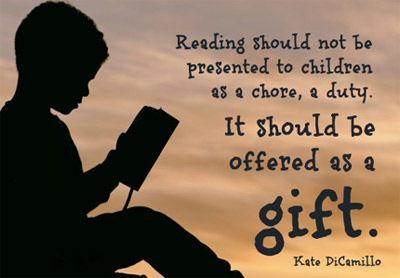 Reading at home is the most valuable experience you can provide your child; reading with them, in front of them and to them - we are never too old to enjoy being read to.
We recognise that encouraging teens to read is not always easy. As children get older, with lots of other activities competing for their time, how can you encourage them to make time for reading? Fear not, we have complied a list of practical tips and strategies to help you foster a love of reading at home.
1. Make time to read together if you don't already. 10 minutes each day is a great start. Let your daughter choose what to read, rather than choosing what you think she should read.
2. Encourage your daughter to read magazines, comics, newspapers and the Internet as well as books.
 3. Read yourself! It doesn't matter what it is - pick up a newspaper or magazine, take a look at a cookery book, read a computer manual, enjoy some poetry or dive into a romance or detective novel. Whenever possible, encourage your daughter to join in - if you're cooking, ask her to read the recipe; if you're deciding what to watch on TV, ask her to read out the listings. Menus, bus timetables, instructions, TV guides, post, leaflets, signs - encourage all forms of reading.
4. Talk to your daughter about books or magazines you have enjoyed, share your teen favourites.
5. Visit the local library together. It's always fun choosing new books to read, and keep an eye out for special author events at the library or local bookshops Encourage children to carry a book at all times. That way, they'll never be bored (this is something you can do, too!)
6. Buy books or book vouchers as presents.
7. Make visiting a book store part of a birthday or Christmas gift.
8. Found a book they love? - Watch TV and film tie-ins and books about any other interests such as music.
9. Encourage your daughter to swap books with friends and family - it'll give them a chance to read new stories, and get them talking about what they're reading.
10. Have a family bookshelf.
11. Keep reading together. Just because your children are older, it doesn't mean you have to stop sharing stories - perhaps you could try a book you've always wanted to read but never got around to it like the Harry Potter series or A Series of Unfortunate Events.
12. Don't panic if your child reads the same book over and over again. Let's be honest - we've all done it!
13. Try some skimming and scanning together. Skimming is when you read through a piece of text quickly to find out what the main idea is; scanning is glancing through a piece of text to find a specific piece of information.
14. Help your child to work out what an unfamiliar word means by getting them to read the rest of the sentence and look for clues.
15. Help by testing your child when they have spellings to learn, and by encouraging them to look up words they don't know in a dictionary.
16. Build up the number of words your child knows (their vocabulary). Learn a new word every day! Learn your new word together as a family. To help them learn these words, you could ask your child to explain to you what they mean.
17. Register for free to access a range of ebooks, audiobooks and magazines offered by Liverpool City Council by clicking here. https://www.readliverpool.co.uk/
18. Try some of the activities offered by the charity 'World Book Day' available here.
Useful resources
Suggestions for reluctant readers:
https://www.lovereading4kids.co.uk/search?s=reluctant+readers
Suggestions for children reading at age 7 and above
https://www.lovereading4kids.co.uk/genres/lr7/featured-books-for-7-readers
Suggestions for children reading at age 9 and above
https://www.lovereading4kids.co.uk/genres/lr9/featured-books-for-9-readers
Suggestions for children reading at age 11 and above
https://www.lovereading4kids.co.uk/genres/lr12/featured-books-for-11-readers
Suggestions for children reading at age 13 and above
https://www.lovereading4kids.co.uk/genres/lr14/featured-books-for-13-readers
Suggestions for young adults and confident readers at age 13 and above
https://www.lovereading4kids.co.uk/genres/lrya/featured-books-for-young-adults
Reading recommendations @ Broughton Hall
Not sure what to read next? Check out our reading recommendations here.